How To Deal With Aldous & Associates
Upsolve is a nonprofit that helps you eliminate your debt with our free bankruptcy filing tool. Think TurboTax for bankruptcy. You could be debt-free in as little as 4 months. Featured in Forbes 4x and funded by institutions like Harvard University — so we’ll never ask you for a credit card. See if you qualify →
Aldous & Associates PLLC is a legitimate law firm and debt collection agency that focuses on consumer debts in the health and fitness industry as well as telecommunications and property management. If Aldous & Associates contacts you, you’ll first want to validate the debt. Once you’ve confirmed that the debt is yours, you’re in control of how you want to move forward with Aldous & Associates. Rest assured, you have options. You can dispute (challenge) the debt if there are any mistakes or you don’t agree with the amount, or you can negotiate to settle the debt by paying only a portion of the total debt owed. You get to decide which approach works best for you and your financial situation.


Written by the Upsolve Team. Legally reviewed by Jonathan Petts
Updated March 15, 2026
What Is Aldous & Associates PLLC?
Aldous & Associates PLLC is a Utah-based law firm that focuses on collecting consumer debt. They work with businesses in several industries, including telecommunications and property management.
They’re especially known for collecting past-due gym membership fees. Some of Aldous & Associates’ fitness clients include Crunch Fitness, Blink Fitness, VASA Fitness, and Gold’s Gym.
Here is their contact information:
📫 Mailing address: P.O. Box 171374, Holladay, UT 84117-1374
📞 Phone number: (888) 221-5155 or (385) 388-8005
🌐 To pay your debt online, visit https://aldouslegal.com/contact-us/
Why Is Aldous & Associates Contacting Me?
You might be wondering, “Why is Aldous & Associates contacting me instead of the company I originally owed money to?”
Let’s say you missed a few payments on a gym membership. The gym might have sent letters or called you to try to collect the balance. If the balance remained unpaid, they could have turned it over to Aldous & Associates to continue the collection process.
🔄 This kind of handoff is common. Many businesses hire third-party collectors to collect on outstanding accounts. When that happens, the original company usually stops reaching out, and the debt collector becomes your main point of contact.
If that’s the case for you, you’ll now need to work directly with Aldous & Associates to ask questions, dispute the debt, or explore payment options.
Is Aldous & Associates Legit?
Yes, Aldous & Associates is a legitimate law firm that collects consumer debt. But that doesn’t mean they’re without problems. As of 2026, the company has received more than 1,700 complaints with the Consumer Financial Protection Bureau (CFPB) in just the past year.
Though the Better Business Bureau (BBB) gives Aldous & Associates a “B” rating, it has also recorded more than 1,200 complaints over the last three years. Many complaints mention poor customer service and a lack of documentation about the debt.
Note to reader: These reviews and complaints highlight relevant issues but may not represent all consumers’ experiences.
Under the Fair Debt Collection Practices Act (FDCPA), debt collectors are required to provide certain information about your debt.
🛡️ The FDCPA is a federal law that protects you from harassment and other unlawful behavior by third-party debt collectors and collection agencies. If you believe a debt collector has violated your rights, you can report them to the CFPB and possibly take legal action to recover damages.
How Do I Know if I’m Being Scammed?
Even though Aldous & Associates is a legitimate company, scammers sometimes pretend to be debt collectors to trick people. They may contact you using the company’s name and ask for sensitive information that a real debt collector would already have, like your bank account details or Social Security number.
It’s always important to validate the debt and ask for more information if the situation seems suspicious (more on this below). This is the best way to avoid a debt collector scam.
📢 You can report scammers to the Federal Trade Commission (FTC), which helps protect consumers from fraud and unfair practices.
Do I Have To Pay Aldous & Associates?
Before you make any payments, it’s important to figure out whether the debt is actually valid and accurate. Debt collectors can get things wrong, like the amount owed or even who owes it, so it’s a good idea to verify the details first.
✔️ Start by validating the debt. That means confirming:
The debt is actually yours.
Aldous & Associates is authorized to collect it.
The amount they’re asking for is correct.
To confirm these details, you'll need to review the information Aldous & Associates sends you.
Step 1: Send a Debt Verification Letter
If you haven’t already received a debt validation letter from Aldous & Associates, you can ask them to send one. Some people also choose to write and send a debt verification letter to request more information.
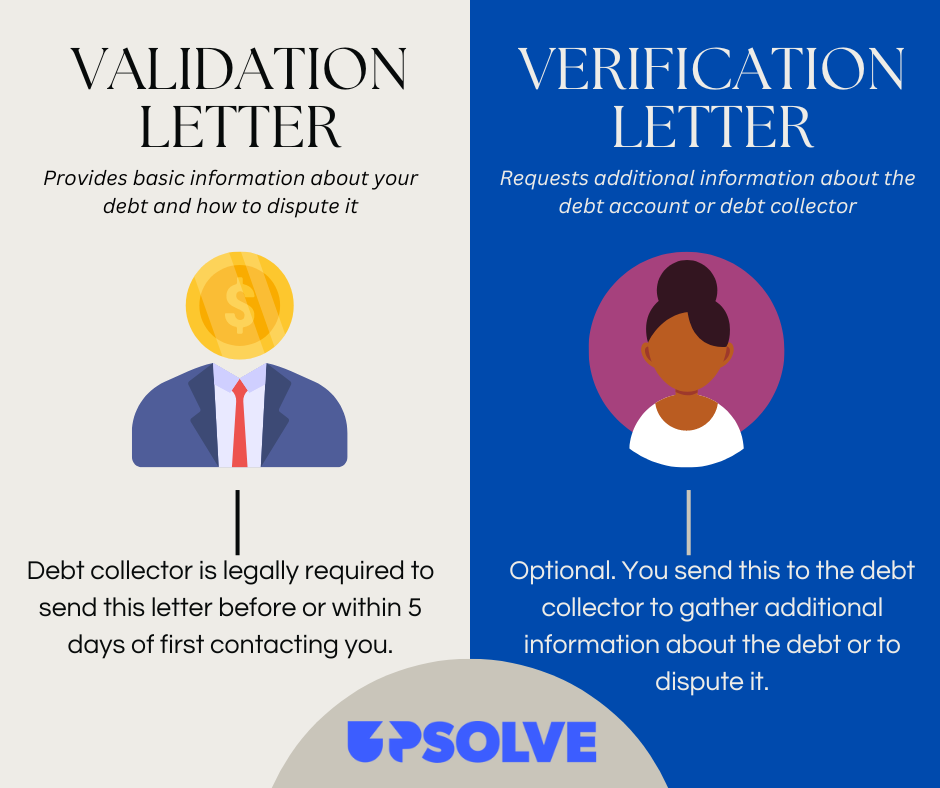
When a debt collector first contacts you, they’re required to send a debt validation letter either during that first contact or within five days. This letter should include basic details, like how much you owe, who you owe it to, and how to dispute the debt.
If you never received a debt validation letter, you can send Aldous & Associates a debt verification letter to request the necessary information.
📝 You have 30 days from when you receive this letter to dispute the debt in writing. If you do, Aldous & Associates is required to pause collection efforts — including phone calls, emails, and letters — until they send you written verification of the debt. If something doesn’t look right, this is your opportunity to request more information or raise a dispute.
If everything checks out and the debt seems accurate, you can start thinking about how you want to handle it.
Step 2: Decide What To Do Next
When dealing with debt collectors like Aldous & Associates, you may feel like you don’t have many options. But you do have a say in how you move forward.
💡 Even if a debt is verified, that doesn’t always mean it’s correct. Some people find incorrect balances, extra fees, or accounts they don’t recognize. If something doesn’t add up, you can still challenge it.
Most people facing a verified debt consider one of three common options:
Dispute the debt
Negotiate or settle the debt
Ignore the debt (this is technically an option but is not recommended)
Let’s walk through each of these in more detail.
Option 1: Dispute the Debt
If the debt validation letter shows an amount or other details that don’t seem right, you can dispute it.
Companies like Aldous & Associates collect debt on behalf of other businesses, so they may not have access to all the original account details. That means the information they share could be outdated or incorrect. Since this same information often also appears on your credit report, this is a good time to check your reports if you haven’t already.
🧾 Under the Fair Credit Reporting Act (FCRA), you have the right to a free copy of your credit report from each of the three major credit bureaus — Experian, Equifax, and TransUnion — every week.
👉 You can get your free credit report from AnnualCreditReport.com.
If you find errors, you can file a dispute with the credit bureaus to have them corrected. You can file a dispute online, by phone, or via mail.
Some people choose to send what's known as a 609 credit dispute letter, which asks the credit bureaus to share documentation about the debt or account. If the credit bureaus can’t verify the information, they’re required to remove it from your credit report.
🔍 Disputing inaccurate information can help protect your credit score and make sure lenders aren’t using bad data to make decisions about you.
Option 2: Negotiate the Debt and Make a Settlement Offer
If paying the debt in full isn’t realistic (for most people, it’s not), negotiating a settlement may be a more manageable option.
🤝 Creditors and collection agencies are often open to settling for less than the full amount — usually around 40% to 60% of the original balance. You can start by offering a lower percentage (some people start as low as 25%), but expect to land somewhere closer to the middle. Starting low shows you're willing to work something out, and it gives you room to negotiate.
Collectors are often motivated to resolve accounts quickly, and reaching an agreement may be in everyone’s best interest.
👉 To learn more about how to negotiate a successful settlement, read Upsolve’s Guide to Beating Aldous & Associates.
Option 3: Ignore the Debt (Not Recommended)
While this is technically an option, ignoring the debt is not recommended. If you're feeling overwhelmed or stressed out by constant calls and letters from a collector, you’re not alone. And that pressure can make anyone want to tune it all out.
Unfortunately, simply avoiding the situation won’t make the debt or the debt collector go away. In fact, it often makes things worse. Ignoring a debt can lead to more aggressive collection efforts, extra fees and interest, and increased stress over time.
What Happens if I Ignore Aldous & Associates?
⚠️ If a collector like Aldous & Associates keeps reaching out and you don’t respond, several things can happen:
Your credit score may take a hit.
You could end up owing more money due to added interest and late fees.
You may face a lawsuit if the collector decides to take legal action.
If you’re sued and don’t respond to the lawsuit, the collector could get a default judgment against you. This could lead to wage garnishment or other collection actions.
Also, while negative marks usually fall off your credit report after seven years, the debt itself doesn’t just disappear. As long as the statute of limitations hasn't expired, collectors can legally keep trying to collect.
💪 Bottom line: Taking action may feel hard, but it puts you back in control. Whether you choose to dispute the debt, negotiate a settlement, or explore other options, doing something is almost always better than doing nothing.
Can Aldous & Associates Sue Me?
Yes, Aldous & Associates can take legal action against you. If they’ve tried to collect a debt and haven’t heard back, they may choose to file a debt collection lawsuit.
⚖️ Whether or not they decide to sue depends on several factors, including:
How much you owe
How long the debt has been in collections
Your state’s wage garnishment laws
📄 If they do sue you, you’ll receive a summons and complaint. These are official court documents that explain what the lawsuit is about and what you need to do next. These papers are usually delivered in person, either handed to you directly or left with another adult at your home.
It’s important to respond to the summons. If you don’t, the court may rule against you by default, which could lead to a judgment, wage garnishment, or more serious consequences.
That said, being sued isn’t the end of the road. Many people have successfully defended themselves in debt lawsuits. You can learn more in our article How to Beat Aldous & Associates, which walks you through what to expect and how to respond.
👉 If you're worried about handling the response on your own but can’t afford a lawyer, our partner Solo offers an easy way to draft and file an answer for a small fee. They’ve helped hundreds of thousands of people respond to debt lawsuits and offer a 100% money-back guarantee if you're not satisfied.
Solo is an affiliate partner, which means Upsolve may earn a small commission if you choose to use their paid service. This helps keep our services free.
Let’s Summarize…
Aldous & Associates is a legitimate law office and debt collector that collects consumer debt. If they contact you, you need to validate that the debt is true and accurate, and if it is, you need to take action and respond to Aldous & Associates as soon as possible. Taking on a debt collection agency can be intimidating, but it is necessary to protect your personal finances.