How To Deal With 11 Charter Communications
Upsolve is a nonprofit that helps erase your debt with our free bankruptcy filing tool. You could be debt-free in just 4 months. See if you qualify→
Upsolve is a nonprofit that erases your debt with our free bankruptcy filing tool. See if you qualify.
11 Charter Communications is a legitimate debt collection agency. Its parent company is Charter Communications Inc., better known as Spectrum. If Charter Communications contacts you, you’ll first want to validate the debt. Once you verify that the debt is yours, you can choose how to deal with 11 Charter Communications. You can dispute the debt (if the information is incorrect or you disagree with the debt amount) or negotiate a settlement so you only pay a portion of the total amount.


Written by Mae Koppes. Legally reviewed by Jonathan Petts
Updated March 26, 2026
What Is 11 Charter Communications?
11 Charter Communications usually refers to Charter Communications, the parent company of the Spectrum brand. Spectrum provides internet, cable, and phone services across the United States and is headquartered in Stamford, Connecticut.
If you see 11 Charter Communications on your credit report or in a notice, it’s likely related to an unpaid Spectrum bill.
Is 11 Charter Communications Legit?
Yes. Charter Communications, the company behind Spectrum, is a legitimate company.
📉 That said, many consumers have filed complaints against Spectrum with the Better Business Bureau (BBB). As of 2026, the BBB reports nearly 14,000 complaints with the company in the past three years.*
Spectrum currently has an A+ rating from the BBB but isn’t accredited. Many complaints relate to billing disputes, service issues, or customer support concerns.
📂 If a third-party debt collector contacts you about a Spectrum debt and treats you unfairly, you may be able to file a complaint with the BBB or the Consumer Financial Protection Bureau (CFPB). Federal laws like the Fair Debt Collection Practices Act (FDCPA) protect consumers from harassment, deception, and other unfair practices by third-party debt collectors.
*Note to reader: These reviews and complaints highlight relevant issues but may not represent all consumers’ experiences.
How Do I Know if I’m Being Scammed?
If someone contacts you claiming you owe a debt, be cautious before sharing personal or financial information. Scammers sometimes pretend to represent companies or debt collectors to get access to things like your Social Security number or bank account details.
If you’re unsure whether the debt is real, you can ask for written validation of the debt. This can confirm whether the claim is legitimate and if the company contacting you has the right to collect the debt. It’s also one of the best ways to avoid debt collection scams.
Do I Have To Pay 11 Charter Communications/Spectrum?
Before you pay anything, it’s a good idea to confirm that the debt is legitimate. Review any information you’ve received and make sure the account actually belongs to you and that the balance looks accurate.
If the debt isn’t yours or the information seems incorrect, you may be able to dispute it. If the debt is valid, many people explore options like paying the balance, setting up a payment plan, or negotiating a settlement for less than the full amount.
👀 First, let’s look at how to validate the debt.
Step 1: Send a Debt Verification Letter
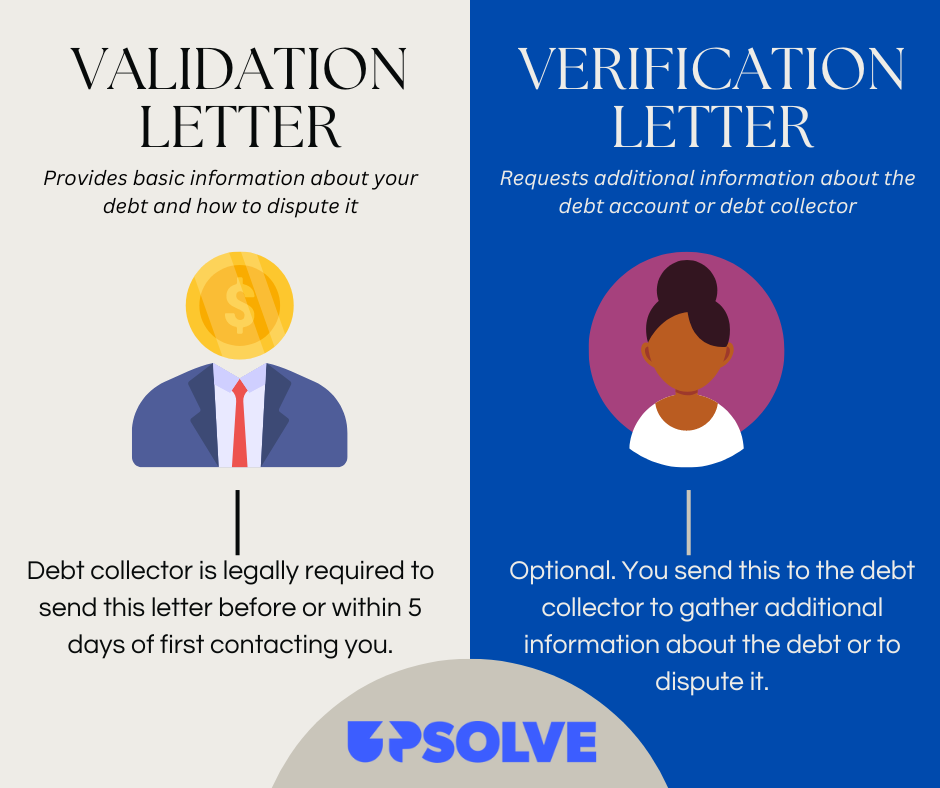
If a third-party debt collector contacts you about a Spectrum debt, they’re generally required to send a written debt validation letter within five days of their first contact. This notice should include details about the debt and explain your right to dispute it within 30 days.
If you need more information or believe the debt may be incorrect, you can send them a debt verification letter asking to confirm the account details.
Option 1: Dispute the Debt
If you don’t believe you owe Spectrum money, you may be able to dispute the debt. You can do this by writing or calling the company to let them know you disagree with the debt and explain why. The validation letter should include instructions on how to do this.
📃 You may also want to check your credit report. If Spectrum has incorrect information about the account, that same information may also have been reported to the credit bureaus as a negative item.
The Fair Credit Reporting Act (FCRA) gives consumers the right to check their credit report for free from each of the three major credit bureaus — Experian, Equifax, and TransUnion. If you find inaccurate information on your credit report, you may be able to dispute it directly with the credit bureaus.
Some people also choose to request more information about an account before filing a dispute. A 609 letter is one way to ask a credit bureau for documentation about items on your credit report. This can help you understand how the account was reported and whether you may want to dispute it. You can use Upsolve’s 609 letter template to get started.
Option 2: Negotiate the Debt and Make a Settlement Offer
Likely, paying the full balance on a past-due account isn’t realistic for you. Instead, you can try to negotiate a settlement with the collector handling the account.
A settlement means offering to pay part of the balance in exchange for the company agreeing that the account is resolved. Collectors can be motivated to accept settlements because collecting old debts can take time and effort. Getting part of the balance now may be better for them than continuing collection attempts.
Whether a settlement is possible depends on several factors, including the amount owed, how old the debt is, and who is collecting it.
👉 To learn more about negotiating a successful settlement, read Upsolve’s Guide to Beating 11 Charter Communications.
Can You Negotiate Every Past-Due Debt?
You can’t negotiate every past-due debt, but you can often negotiate consumer debt from overdue credit cards, medical bills, and personal and payday loans.
🚗 Debts that are tied to property (collateral) work differently. Mortgages and car loans are common examples. If you fall behind on those payments, the lender may take the home or vehicle instead of negotiating the balance.
Tax debt can sometimes be negotiated too, but the IRS has its own process for resolving past-due taxes.
Option 3: Ignore the Debt (Not Recommended)
Some people choose to ignore collection attempts, but this can create additional problems. Ignoring the situation usually won’t make the debt go away, and it often makes things more stressful in the long run.
If the account remains unpaid, your credit score is likely to take a hit. Plus, the debt amount may increase as interest and other fees are added on.
In some situations, the collection agency may file a lawsuit to try to recover the debt. If a lawsuit is filed and you don’t respond, the collector could be granted legal access to more serious collection actions, such as wage garnishment.
Even though negative items eventually fall off your credit report, companies may still attempt to collect the debt as long as it hasn’t expired under the state’s statute of limitations.
💪 Bottom line: The best thing you can do for yourself is to face the debt and participate in the process to get it resolved. You can work through the issue with Charter Communications and move forward with your life.
Can 11 Charter Communications Sue Me?
Yes, 11 Charter Communications can take you to court for unpaid debt. This is often a last resort in the debt collection world, but it’s not uncommon. Debt collectors will consider several factors when deciding whether or not to sue, including:
Your state’s wage garnishment laws
How much you owe
⚖️ If a debt collector sues you, you’ll receive a summons and complaint. A summons is a court document that notifies you of the lawsuit. The complaint outlines the debt collector’s claims against you.
Let’s Summarize…
11 Charter Communications is a legitimate debt collector that collects debt for Charter Communications Inc, which is better known as Spectrum. If this company contacts you, the first thing you need to do is validate the debt. If the debt is valid, you can choose how to proceed with 11 Charter Communications. If they sue you, it’s best to respond quickly.