How To Deal With RMP Services
Upsolve is a nonprofit that helps erase your debt with our free bankruptcy filing tool. You could be debt-free in just 4 months. See if you qualify→
Upsolve is a nonprofit that erases your debt with our free bankruptcy filing tool. See if you qualify.
Receivables Management Partners LLC (RMP Services) is a legitimate debt collection agency focusing on medical debt. If RMP Services contacts you, the first thing you’ll want to do is validate the debt. Once you verify that the debt belongs to you, you can choose how to deal with the collection agency. The main options you have are disputing the debt (if the information is incorrect or you disagree with the debt amount) or negotiating to pay a lower amount.


Written by Mae Koppes. Legally reviewed by Jonathan Petts
Updated March 11, 2026
What Is RMP Services?
Receivables Management Partners LLC (often called RMP Services) is a debt collection agency. They focus on collecting unpaid medical bills and other healthcare-related debts from consumers.
RMP Services is part of a larger company called Meduit, which helps hospitals and other healthcare providers manage billing and collections.
📍 RMP’s main office is in Indianapolis, Indiana, but they also have locations in Chicago, Greensburg, Lansing, Reading, and Waco.
Here is RMP’s contact information: 📬 Mailing address: PO Box 630844 Cincinnati, OH 45263-0844
📞 Phone number: (800) 466-1320
Why Is RMP Services Contacting Me?
RMP Services is probably reaching out to collect a past-due medical bill. This often happens when a hospital, doctor’s office, or other healthcare provider hasn’t been paid and brings in a debt collection agency to manage the account.
🤔 Many people are surprised to hear from a company like RMP — especially if they didn’t know their bill had been sent to collections.
RMP is a third-party debt collector, which means they were hired by your healthcare provider to collect the balance. Once RMP takes over your account, you’ll typically need to work with them — not your original provider — to ask questions, dispute the debt, or explore payment options.
Is RMP Services Legit?
Yes, RMP Services is a legitimate debt collection company.
As of 2026, RMP is accredited by the Better Business Bureau (BBB) and has an A+ rating. That said, they’ve received 258 complaints through the BBB in the past three years and currently have a 1.1 out of 5-star customer rating on the site.
The Consumer Financial Protection Bureau (CFPB) has also received 171 complaints in the last year.
Most complaints involve common issues in the debt collection industry, such as being contacted about a debt the person doesn’t recognize or believes is incorrect. While no debt collector has a perfect record, RMP appears to receive fewer complaints than many other large agencies.*
🛡️ The Fair Debt Collection Practices Act (FDCPA) is a federal law that protects you from harassment, false statements, and attempts to collect debt you don’t owe. If you believe a collector has violated your rights, you can file a complaint with the CFPB.
*Disclaimer: These reviews and complaints reflect the experiences of some consumers and may not represent how the company interacts with everyone.
How Do I Know if I’m Being Scammed?
It’s not always easy to tell if a debt collection call or letter is real. Scammers sometimes pretend to be from legitimate companies, such as RMP, to trick people into sending money or disclosing personal information.
🚩 There are a few red flags to watch out for. Be cautious if someone pressures you to pay immediately, refuses to give you details about the debt, or asks for sensitive information like your bank account or Social Security number.
📣 If you think someone is trying to scam you, you can report them to the Federal Trade Commission (FTC), an agency that protects consumers' rights.
Do I Have To Pay RMP Services?
Maybe, but before making any payments, it’s important to ask RMP to validate the debt (if they haven’t already). Debt collectors don’t always have complete or accurate information, so it’s a good idea to make sure the debt is really yours.
📄 A debt validation notice from RMP should include:
Who currently owns the debt
The amount you allegedly owe
Basic details about the account (to ensure it’s yours)
Information about your right to dispute the debt
Step 1: Send a Debt Verification Letter
If you haven’t already received a debt validation letter from RMP Services, you can request one. You also have the right to send them a debt verification letter to ask for more details about the debt.
Here’s the difference between the two:
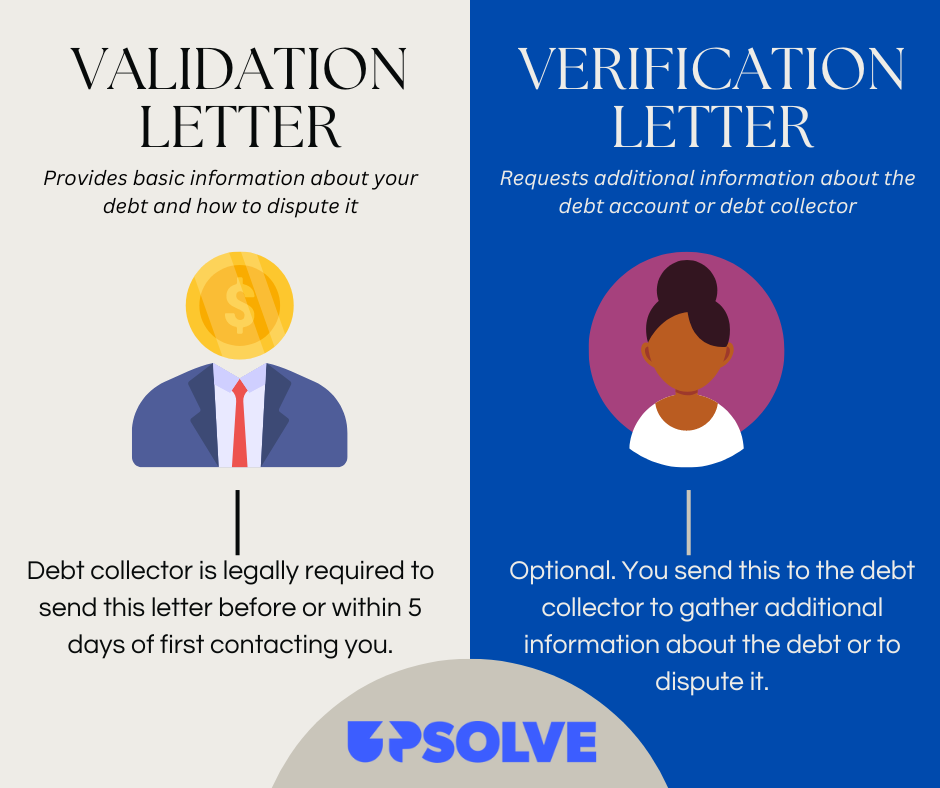
A debt validation letter is something the debt collector is required to send you by law. They must send it before or within five days of first contacting you. This letter should give you enough information to help you figure out whether the debt is actually yours. It also explains your right to dispute the debt within 30 days if anything looks incorrect or unfamiliar.
A debt verification letter is a letter you send to the debt collector. Many people send this letter if they didn’t receive a validation notice or if they just want to see more details about the debt before deciding what to do next.
⏸️ If you dispute the debt within the 30-day window, the collection agency has to pause collection efforts — including phone calls, letters, and emails — until they’ve responded to your dispute.
Step 2: Decide What To Do Next
If you’ve confirmed the debt is accurate, you’ll need to decide how you want to move forward. The three main options are:
Dispute the debt if something doesn’t look right
Try to pay less by negotiating a settlement
Ignore the debt (while this is technically an option, it’s not recommended)
🔍 Let’s take a closer look at each option.
Option 1: Dispute the Debt
If you disagree with the amount or any other detail in the debt validation letter, you have the right to dispute the debt. The validation letter should include instructions on how to do this.
📉 Errors in a debt collector’s records can sometimes show up on your credit report, too. Credit reports play a big role in your financial life and can affect your ability to get loans, housing, credit cards, and even some jobs. Removing inaccurate negative information may help improve your credit score over time.
That’s why many people review their reports from all three major credit bureaus: Experian, Equifax, and TransUnion.
📝 If you see something that doesn’t look right, you can file a dispute directly with the credit bureau. Some people also send what’s called a 609 letter to request more information about items listed on their credit report.
📃 You can check your credit reports for free every week at AnnualCreditReport.com.
Option 2: Negotiate the Debt and Make a Settlement Offer
If you know the debt is valid but can’t afford to pay the full amount, you can try to negotiate to pay a lower amount. This is sometimes called debt settlement, and it’s especially common with medical bills.
Since RMP Services is collecting the debt on behalf of a healthcare provider, they may have some flexibility to settle the account for less than the full balance. Some people are able to settle debts for 40%–60% of the original amount owed.
🤝 If you decide to try negotiating, consider starting with a lower offer and being prepared for a counteroffer. It’s common to land somewhere in the middle.
💡 For more tips on how to negotiate with RMP Services, check out Upsolve’s Guide to Beating RMP Services.
Option 3: Ignore the Debt (Not Recommended)
While ignoring a debt is technically an option, it often leads to more stress — not less.
Debt collectors are persistent. Their phone calls and letters can be overwhelming, but avoiding contact won’t make the debt go away. In many cases, it can make things worse and may even lead to increased collection efforts or legal action.
What Happens if I Ignore RMP Services?
If you truly owe the debt and don’t pay RMP, your credit score will likely take a hit. Also, the total balance may grow over time as interest and fees are added.
In some cases, ignoring the debt could lead to a lawsuit. If the collector sues and wins in court, they may be able to get a judgment to garnish your wages or use other legal methods to collect.
Even though most negative marks drop off your credit report after seven years, the debt itself doesn’t disappear. Collectors can continue trying to recover the money as long as the statute of limitations hasn’t expired.
💪 Bottom line: You have more power than you may think. Facing the debt head-on puts you in a better position to take control of what happens next.
Can RMP Services Sue Me?
Yes, RMP Services can sue you to collect a debt, but it doesn’t happen in every case. If they haven’t been able to reach you or resolve the account, they may decide to take legal action.
Debt collectors often consider a few factors before filing a lawsuit. These can include how much you owe, how long the debt has been in collections, and whether your state’s wage garnishment laws make it easier or harder to collect.
📄 If you are sued, you’ll receive official court papers called a summons and complaint. These are usually delivered in person or left with another adult at your home.
‼️ It’s important to respond. Ignoring a lawsuit can lead to a default judgment, which might allow the collector to garnish your wages or freeze your bank account.
If you're not sure how to respond, and hiring a lawyer isn't an option, you can use a tool like Solo to draft an answer. Solo has helped hundreds of thousands of people respond to debt lawsuits, and they offer a 100% money-back guarantee if you’re not satisfied.
Solo is an affiliate partner, which means Upsolve may earn a small commission if you choose to use their paid service. This helps keep our services free.
👉 Learn more about how to deal with a lawsuit by reading Upsolve’s Guide to Beating RMP Services.
Let’s Summarize…
RMP Services is a legitimate debt collection agency that focuses on collecting medical debt. If they contact you, validate the debt details before you do anything else. If the debt details are accurate, take action as soon as possible. If you can’t afford to pay the full debt, try to negotiate a settlement with RMP to get the account settled.